



 There are some things you can buy online without a second thought — a phone charger, a paperback, a pack of socks. A sofa is not one of them. It is one of the largest pieces of furniture most of us ever own, it takes up the visual centre of a living room, and you will sit, nap, and pile the laundry on it almost every single day for the next decade. Yet plenty of people now buy couches the same
 In the world of high-end horology, trust is everything. Watchauren Trade was created for collectors who want to sell or exchange their luxury timepieces with confidence, clarity and zero hassle. Whether you're refining your collection or searching for the next grail watch, Watchauren offers a modern, expert-driven approach to trading fine watches.
 Acne is one of the most common skin concerns, affecting people of all ages.
 Six teams from around the world converged in Taipei on December 10, 2025, for the global finals of the “Go Healthy with Taiwan” Call for Proposals, culminating in the selection of three winning innovations poised to shape the future of global health. The competition attracted 638 proposals from 55 countries, underscoring Taiwan’s rising prominence as a hub for health technology and cross-border collaboration.
 The MedsCheck program in Ontario has entered a period of intense scrutiny as newly released financial records and survey findings reveal significant billing increases and persistent pressure on pharmacists across major retail chains. The data shows a sharp escalation in MedsCheck revenues and highlights ongoing concerns surrounding corporate influence in pharmacy practice. These developments have renewed debate about the program’s design and the future of medication review services in the province.
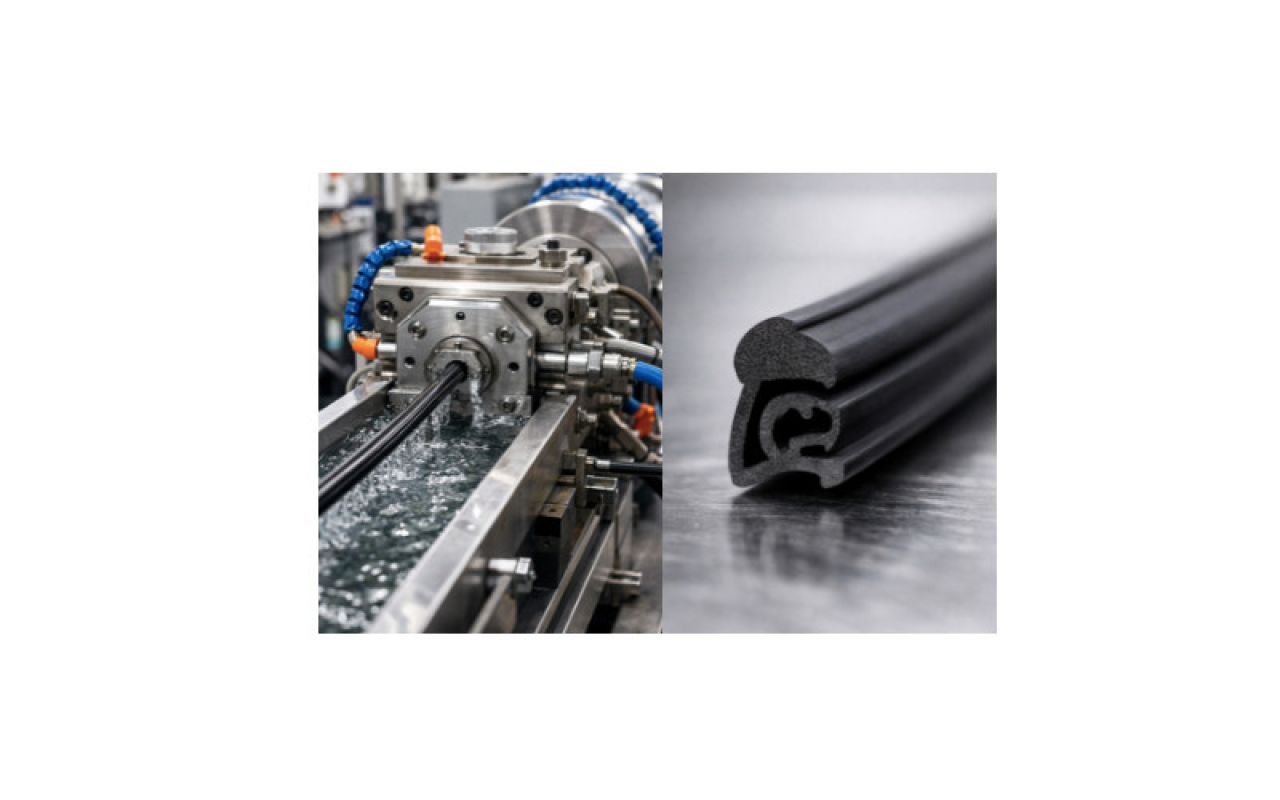
 Extrusion is one of the most versatile and cost-efficient manufacturing processes for producing continuous plastic and elastomer profiles. While it is often associated with large construction components like pipes, window frames, or decking boards, extrusion truly shines in the production of small, highly specialized profiles—the kind used in marine systems, technical assemblies, electronics, automotive interiors, sealing solutions, and custom industrial applications. These miniature or precision profiles demand tight tolerances, advanced material control, and tailored tooling expertise that only experienced extrusion
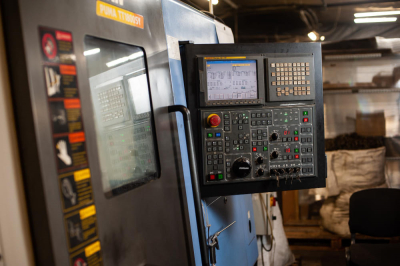 Embarking on a journey through the intricate world of custom foam creations, you'll quickly realize the paramount importance of precision and efficiency. A hot wire CNC foam cutter becomes an indispensable ally in this venture, delivering not just accuracy but also unparalleled ease and speed. As you explore the cutting edge foam cutting technology, imagine a heated wire gliding seamlessly through foam materials, rendering complex designs and flawless patterns that traditional manual cutting could never replicate. Whether you're crafting detailed
 Industrial chillers are crucial in any setting that relies on heavy equipment with massive waste heat. They ensure safe and efficient operation in these types of settings. Chillers cool different equipment pieces and process fluids, as well as ambient temperatures.






Table of contents:
- Algoma Treatment and Remand Complex under pressure
- Sudbury Jail and the growing strain on facilities
- North Bay Jail’s mental health challenges
- Monteith Correctional Complex and resource gaps
- Thunder Bay and Kenora facilities reach their limits
- Ontario’s response and ongoing construction
- Mounting pressure on staff and system
Algoma Treatment and Remand Complex under pressure
At the Algoma Treatment and Remand Complex in Sault Ste. Marie, the situation has become critical. The facility, built to accommodate 155 inmates, currently houses around 210 people — about 135 per cent over capacity. Correctional officer Josh Miller, who has worked in northern Ontario for 27 years and serves as the union president, says overcrowding affects every aspect of daily operations.
“We have 155 beds, that’s actual places for inmates to sleep. As of today, our count this morning was 210. So that means we’re about 135 per cent over capacity and it’s been that way for at least a year,” Miller said.
According to Miller, inmates are being placed in spaces never meant for living, such as multi-purpose rooms and video call suites, often sleeping on mattresses on the floor. He explained that limited resources make it difficult to provide essential services like healthcare, meals, and exercise time. Staff now prepare about 600 meals a day, despite the kitchen being designed for 270. Miller added that the growing tension has also led to more violent incidents inside the jail.
Sudbury Jail and the growing strain on facilities
The Sudbury Jail has also seen a dramatic increase in inmates. The population rose from an average of 142 in 2019 to 184 in 2025, reaching an occupancy rate of 141 per cent. Former inmate Scott Henderson, who spent two nights there in October, described the conditions as harsh.
“It was just really loud and uncomfortable. It was like you were in a concrete jungle,” he said. “We had to sleep on the floor with these pads and it was head to foot. There was not enough room to where you could actually have some space separation and we had to sleep right at the toilet.”
Henderson recalled other inmates suffering visible signs of mental distress without receiving help. He noted that only one officer was responsible for managing the entire block, making it impossible to attend to everyone’s needs.
North Bay Jail’s mental health challenges
North Bay’s jail has experienced similar overcrowding, with average nightly counts increasing from 81 inmates in 2019 to 131 in 2025 — a 60 per cent rise. Correctional officer Roselle Greuter, who has worked in Ontario institutions since 1999, said the profile of inmates has changed significantly.
“We’re getting a lot of mentally handicapped inmates, we’re getting inmates that are drug-addicted, so they’re coming in with psychosis,” Greuter said. “It wreaks havoc.”
She emphasized that staff lack the training and resources to handle such complex mental health issues. “Sometimes you’re putting a mentally ill person in with [another inmate],” she explained. “They go into psychosis, they start fights, we have to break them up.” Greuter said the number of lockdowns has been rising, often due to violence, overcrowding, or staff shortages.
Monteith Correctional Complex and resource gaps
At the Monteith Correctional Complex near Iroquois Falls, the inmate population has grown from 135 in 2019 to 214 in 2025 — a 58 per cent increase. Union president and correctional officer Ken Steinbrunner said Monteith is now taking overflow from jails in Sudbury, Thunder Bay, and North Bay.
“Now they seem to be spreading the pain,” he said. “No matter what, if there’s a vacancy, you’re getting people. You’re putting people on the floor.”
Steinbrunner explained that the budget for staffing, food, and programs is based on the jail’s certified capacity, not actual occupancy. “Anytime we exceed our [certified capacity], we exceed our budget for food. We exceed our available time for recreation. We exceed our available time for support staff,” he said. He added that “there’s not an empty bed” anywhere in the province and that guards are constantly working overtime.
Thunder Bay and Kenora facilities reach their limits
The Kenora Jail, which held 184 inmates per night in 2019, now houses 243 — a 31 per cent increase. In Thunder Bay, the Correctional Centre’s population rose from 93 inmates to 188, more than doubling since 2019.
Sean Bradshaw, union president and correctional officer at the Thunder Bay Correctional Centre, said the increase followed the addition of roughly 50 beds, which are now always occupied. “We are constantly trying to fill our beds,” Bradshaw said. “We are pushing the limits of what the building will hold.”
The Thunder Bay District Jail remains over capacity as well, with occupancy rates between 115 and 148 per cent. Correctional officer Anthony Rojik said that overcrowding has led to higher assault rates and staff burnout. “Sometimes they’re on a mattress on the floor, underneath a bunk bed, in a cell no bigger than your average bathroom,” he said.
Ontario’s response and ongoing construction
The Ontario Ministry of the Solicitor General acknowledged the strain in a written statement to CBC News. The ministry confirmed ongoing construction projects aimed at expanding capacity, including 50 new beds in northern Ontario and an additional 150 beds in Sudbury, Milton, and the Niagara region.
“Our government is taking action, and making record investments, to update infrastructure and expand capacity at correctional facilities across the province to keep dangerous criminals off the streets,” a ministry spokesperson said.
Projects include a new facility in Kenora and an upcoming correctional complex in Thunder Bay. However, Rojik said it remains unclear whether the existing Thunder Bay jail will close once the new building is complete. “We’re years behind more infrastructure as the crime rate rises in Ontario and unfortunately, it doesn’t look like it’s going to stop anytime soon,” he said.
Mounting pressure on staff and system
Across the province, correctional staff report growing workloads, safety risks, and emotional strain. Many facilities are operating beyond design limits, with insufficient resources for healthcare, mental health treatment, and rehabilitation.
As Steinbrunner noted, “Everybody knows it. Everybody experiences it. And everybody knows what happens at the end of the day with all this pressure.”
The data and testimonies reveal a correctional system struggling to keep pace with population growth, aging infrastructure, and increasing mental health needs — a challenge now defining the future of incarceration in northern Ontario.
Source: CBC
FAQ
What is causing overcrowding in northern Ontario jails?
Overcrowding is driven by a steady increase in inmate numbers across facilities since 2019, combined with limited infrastructure and capacity that have not kept pace with demand.
Which jail in northern Ontario has the highest occupancy rate?
According to the Ontario Ministry of the Solicitor General’s data, the Algoma Treatment and Remand Complex in Sault Ste. Marie has the highest occupancy rate at 145 percent.
How has the Ontario government responded to the overcrowding crisis?
The Ontario government has launched construction projects to expand capacity, adding 50 new beds in the north and 150 more across Sudbury, Milton, and the Niagara region. New facilities are also being built in Kenora and Thunder Bay.
What impact does overcrowding have on staff and inmates?
Overcrowding leads to increased violence, mental health crises, limited access to healthcare, and staff burnout. Correctional officers report constant overtime and unsafe working conditions.
Who are some of the key people speaking about the issue?
Correctional officers and union representatives such as Josh Miller, Roselle Greuter, Ken Steinbrunner, Sean Bradshaw, and Anthony Rojik have all raised concerns about safety, staffing shortages, and lack of resources.
Are there plans to build new correctional facilities in the north?
Yes. The province is constructing new jails in Kenora and Thunder Bay and planning capacity expansions in several other regions, though officials have not confirmed if existing facilities will close after completion.


