
Rabies in Ontario - The silent threat of bat exposure

Rabies, a virus capable of causing severe damage to the brain and spinal cord, remains a significant public health concern despite advancements in medical treatments and public awareness. Recently, the death of a child from the Brantford, Ontario area has highlighted the ongoing risks of rabies, particularly in interactions with bats. The tragic case, which marks the first domestically acquired human rabies case in Ontario since 1967, underscores the importance of immediate medical response after any potential exposure to rabid animals.
The urgent need for more Indigenous professionals in Canada's health-care system

In recent years, alarming data has emerged regarding the life expectancy of Indigenous people in Canada. This data highlights deep-rooted inequities within the health-care system, a system that continues to fail Indigenous communities. Dr. Danièle Behn Smith, B.C.’s Deputy Provincial Health Officer for Indigenous Health, and other experts stress the urgent need for more Indigenous doctors, nurses, and decision-makers to address these systemic disparities.
Walking backwards: a step forward for senior health and balance

Walking is a fundamental exercise favored by many for its health benefits and simplicity. But an unconventional twist to this exercise—walking backwards—has been gaining attention for its unique benefits, especially among older adults. Experts like biomechanist Janet Dufek of the University of Nevada have studied its effects, revealing that this practice not only enhances muscle strength and flexibility but also improves balance, crucial for preventing falls in the elderly.
The impact of chronic stress on physical and mental health
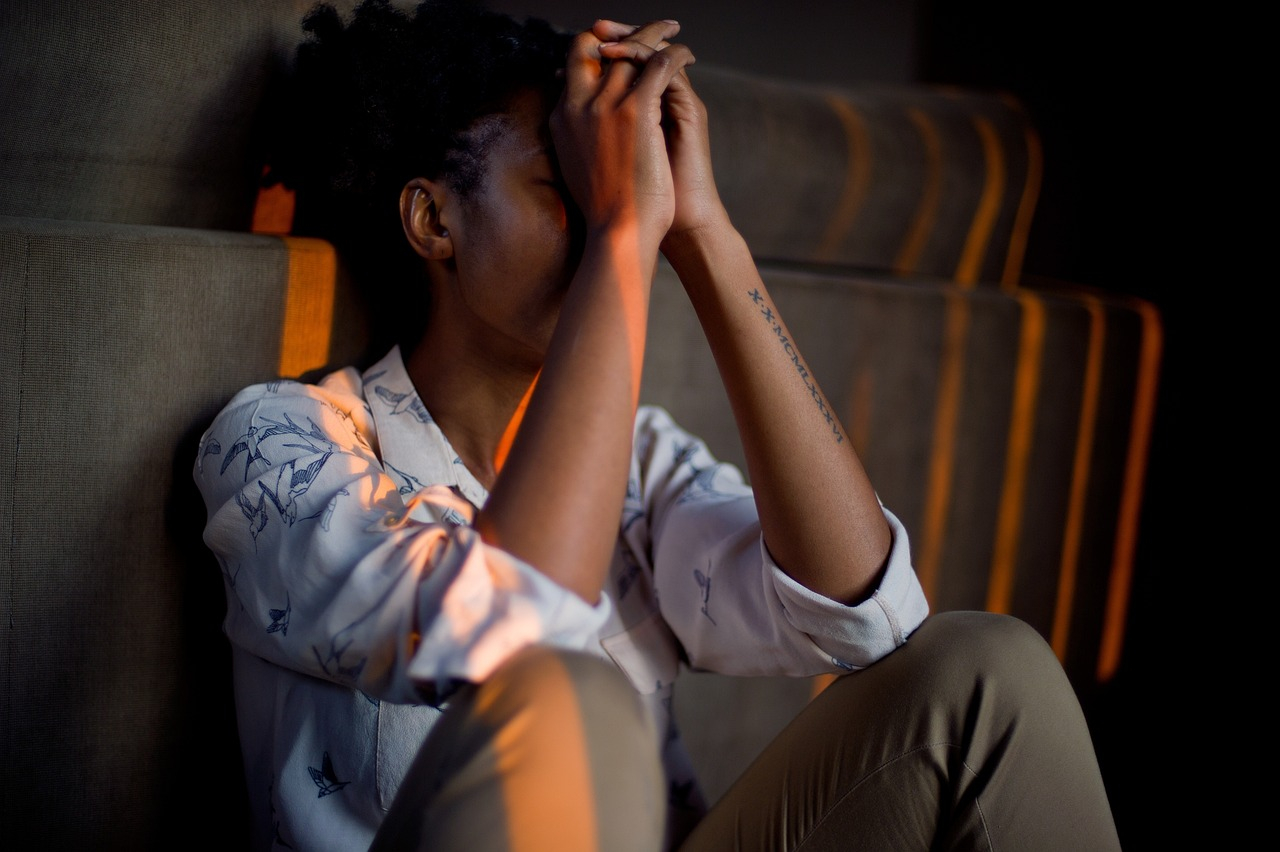
Stress is an inevitable part of life, whether it’s the frustration of a morning traffic jam, the pressure of a looming deadline at work, or the emotional toll of caring for aging parents. While short-term stress can sometimes be beneficial, motivating us to meet challenges and adapt to new situations, chronic stress can have serious consequences for both physical and mental health. Research has shown that long-term stress can increase the risk of heart attacks, strokes, Type 2 Diabetes, and contribute to various mental health challenges.
Understanding memory and aging: how to maintain cognitive function in later life

Aging brings with it a host of changes, both physical and cognitive. One of the most widely recognized aspects of aging is its impact on memory. As we grow older, many of us notice that our ability to recall information isn't as sharp as it once was. But what exactly happens to memory as we age, and how can we work to maintain our cognitive function? Understanding these questions is essential for anyone looking to keep their mind sharp well into their later years.
Health & Beauty
-
Massage Therapy in Canada - A Growing Profession Built Around Personal Care
 Massage therapy has become a familiar part of health and wellbeing across Canada. People book treatments for all kinds of… Read More
-
Clean Skincare for Acne - Natural & Non-Toxic Products to Try
 Acne is one of the most common skin concerns, affecting people of all ages.
Read More
Acne is one of the most common skin concerns, affecting people of all ages.
Read More
-
Top Innovators Compete in Taipei as ‘Go Healthy with Taiwan’ Finals Spotlight Health-Tech Advances
 Six teams from around the world converged in Taipei on December 10, 2025, for the global finals of the “Go… Read More
- 1


